
You’ve probably heard it a thousand times: people don’t buy with logic, they buy with emotion. And one of the best ways to tap into that emotion is through storytelling. Good stories make customers care about your brand. That’s why every marketer needs to know how to tell them. When it’s done well, it can boost your conversion rates by up to 30%.
The best part is you can use storytelling everywhere, in your emails, your product pages, your ads, anywhere your customer comes into contact with your brand. But most businesses still don’t use it effectively. So in this blog, we’ll show you how to craft a compelling story and actually use it to sell more in your e-commerce copy.
Why Stories Sell: The Psychology of Narrative in Commerce
People can remember about 65% of information when it’s delivered through a story, compared to only around 10% when it’s presented as plain facts. In other words, storytelling makes your product far more memorable.
But retention isn’t the only reason stories matter in selling. When customers hear a founder talk about struggling with a problem and creating the solution themselves, they see their own struggles in that story, they feel understood, and they’re buying a solution from someone who truly gets their pain.
And this is exactly why storytelling matters for conversions. A customer who feels emotionally connected to your brand automatically trusts you more, and higher trust means fewer objections. When they can picture and feel the transformation your product offers, they’re already halfway to clicking “add to cart.”
Take Dollar Shave Club as an example. The founder made a video calling out how ridiculous overpriced razors were. That simple, relatable story connected instantly. It resonated so strongly that it helped turn the company into a multi-million-dollar brand.

How To Build Brand Story That Resonates with Customers
Brand storytelling builds emotional connections by sharing values and showing you understand what your customers need and want. Good stories create empathy, memorable experiences, and lasting relationships with customers.
Creating an effective brand story takes thought and planning. Here are four key elements to remember:
- Authenticity: Your story has to be real. Customers can spot fake stories from a mile away, and that damages your brand. Make sure your story aligns with your actual values and mission.
- Know your audience: Understand who you’re talking to. What do they value? What do they need? What keeps them up at night? Shape your story so it resonates with them.
- Clear message: A good story has one clear point. Don’t overcomplicate it. Focus on the core message you want people to remember.
- Emotional connection: Stories stick when they make people feel something – joy, sadness, inspiration, nostalgia. Tap into emotion, and your story becomes unforgettable.
How Patagonia Uses Storytelling To Sell Their Products
Most product descriptions read like technical manuals. Specs. Materials. Sizes. Dimensions. Every marketer and business owner needs to understand this: people don’t want to hear industry jargon, technical specs, or fancy words. They want to know how your product solves their problem. Focus on the “why” and appeal to their emotions.
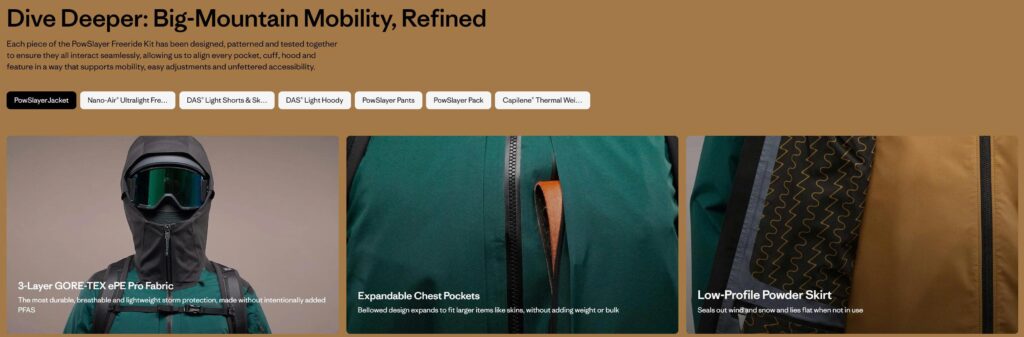
Stories make products memorable and relatable. Instead of listing features, show a real scenario where your product actually helps someone. Look at how Patagonia describes its products. They’re not talking specs or features, they’re telling stories about how their product keeps you protected.
Using Customer Stories and Testimonials as Social Proof
A customer telling their story is proof that your transformation actually happens, and that is more powerful than anything your brand could claim about itself, because they come from real people who’ve actually experienced your product.
Here’s a strong testimonial: “As a busy mum, I barely have time to think about skincare, let alone pamper myself. My acne was getting out of control, and I felt so self-conscious. Then I tried your acne cream, and honestly, it changed everything. After the first use, I could already see a difference. One simple step that actually works for busy women like me.”
Bonus tips: You can try to feature 2-3 detailed customer stories on your homepage or product pages. Update them quarterly to keep the social proof fresh. And strategically place them near your CTAs, customer stories near conversion points, and boost conversion rates significantly.
3 Steps to Writing Story-Based Emails That Convert:
Email is one of the best places to put storytelling into action. Almost every well-known copywriter uses it to keep their audience engaged. They share short, simple micro-stories that flow naturally into the product and finish with a clear call to action. Here’s how to do it in 3 easy steps:
Step 1: Start with “Why”: Don’t just tell what happened. Show how your journey connects to what your audience struggles with. For example, instead of saying “We help small businesses grow,” tell the story of Alex, a coffee shop owner who used your strategy and doubled his revenue in six months. Now people see themselves in the story.
Step 2: Use a simple Three-Part structure every good story needs:
- The struggle (what was the problem?)
- The turning point (what changed?)
- The resolution (what happened after?).
=> Using this arc makes your story easy to follow and memorable.
Step 3: Give readers something to do. A great story isn’t complete without practical value. Connect your story to a real lesson or action they can take. Show how your experience relates to their problem, share the insight you learned, then offer a specific next step, a resource, strategy, or tip they can use right away.
Bonus tips:
- Share genuine daily moments: small wins, awkward mishaps, ordinary stuff.
- Write like you’re talking to a friend. Use clear details and light humour.
- End with a teaser that hints at what’s next. Offer immediate access to the follow-up to keep readers engaged and clicking
4 Storytelling Frameworks for Copywriters
Not every story needs to be told the same way. Different frameworks work better for different situations. Here are the ones that actually convert:
The Hero’s Journey (classic, works brilliantly for brand origin stories)
- Setup: The founder faced a problem.
- Challenge: The industry wasn’t solving it. Everyone said it couldn’t be done.
- Resolution: They built a solution anyway.
- Outcome: Now thousands of customers benefit.
The Before-After-Bridge (perfect for product pages and emails)
- Before: Your customer’s pain point or struggle.
- After: Their life after using your product.
- Bridge: Why your product made the difference. What specifically changed?
The Founder’s Obsession (great for premium or artisan brands)
- Hook: “She became obsessed with [specific thing].”
- Depth: Show the obsession. The research. The testing. The sacrifice. Make it real.
- Payoff: That obsession became [your product]. This is what you’re buying into.
The Customer Transformation (builds empathy and relatability)
- Introduce a customer. Give them a name and context.
- Show their struggle. Make it specific and real, not generic.
- Reveal the turning point. Your product enters the scene.
- Celebrate the win. What measurable outcome did they achieve?
Practical tip: Pick one framework per campaign. Don’t mix them in the same piece. It confuses the narrative and dilutes the impact.
4 Common Storytelling Mistakes.
1. Letting the story outshine the product. Your story should lift your product up, not pull attention away from it. The product is the hero, or at least the tool that helps the hero win.
2. Turning the story into a sales pitch. When a story feels pushy, people check out immediately. Let the narrative breathe. Let it feel real. If the story connects, the sale will naturally follow.
3. Telling a story that doesn’t feel true to your brand. If the story doesn’t match who you genuinely are, customers will sense something’s off. People connect with honesty and authenticity, not made-up narratives.
4. Forgetting the customer in your brand story. Your story should always lead back to the person reading it. Show them how your beginning solves their struggle, and how your passion becomes something that makes their life better.
Summing Up
Storytelling helps you build real relationships with your customers. It creates emotional connection, builds trust, and makes people far more likely to buy from you and recommend your brand to others. It also boosts engagement and helps you stand out in a crowded market because it lets your personality shine through across your website, emails, and social media.
Bringing storytelling into your e-commerce copy doesn’t have to be complicated. With the right approach, you can turn ordinary content into something customers genuinely connect with. And if you’d like more direction, get in touch with us to help use storytelling in your marketing.